
 English
 Español
 Portugues
 Pусский
 Français
 Deutsch
 日本語
日本語 한국어
한국어 العربية
 Italiano
 ไทย
ไทย Indonesia
 Melayu
 Tiếng Việt
 Magyar
 မြန်မာ
 ພາສາລາວ
 Filipino
 ខ្មែរ
ខ្មែរ


SEO Description: How to Choose a Chinese Herbal Tea Wholesale Supplier with practical guidance on product quality, sourcing, processing, packaging, order quantities, customization, delivery, payment, and supplier reliability. This guide helps retailers, distributors, importers, tea shops, and wellness businesses evaluate a Chinese Herbal Tea Wholesale Supplier for consistent products and long-term cooperation.
Choosing a Chinese Herbal Tea Wholesale Supplier is an important decision for retailers, distributors, importers, tea shops, wellness stores, gift businesses, and private label buyers. A reliable Chinese Herbal Tea Wholesale Supplier should provide consistent product quality, clear sourcing information, suitable packaging, stable supply, practical lead times, and communication that makes international purchasing easier. The right Chinese Herbal Tea Wholesale Supplier is not simply the seller offering the lowest quotation. A good Chinese Herbal Tea Wholesale Supplier understands raw materials, processing, storage, packaging, export requirements, and the needs of wholesale customers.
Why Choose a Chinese Herbal Tea Wholesale Supplier
When purchasing herbal tea in bulk, small differences in raw material quality can become significant after repeated orders. A Chinese Herbal Tea Wholesale Supplier should be able to explain where ingredients come from, how they are processed, how they are dried or aged when relevant, and how finished products are inspected. Buyers should look for a Chinese Herbal Tea Wholesale Supplier that can maintain similar specifications from one batch to the next. Consistency matters for retail packaging, customer expectations, product positioning, and long-term sales.
A Chinese Herbal Tea Wholesale Supplier should also understand that different markets have different preferences. Buyers in Southeast Asia may need practical packaging, clear product information, moisture protection, and shipping arrangements suitable for humid conditions. A Chinese Herbal Tea Wholesale Supplier serving international customers should be prepared to discuss product specifications before an order is confirmed.
Check Raw Material Origin with a Chinese Herbal Tea Wholesale Supplier
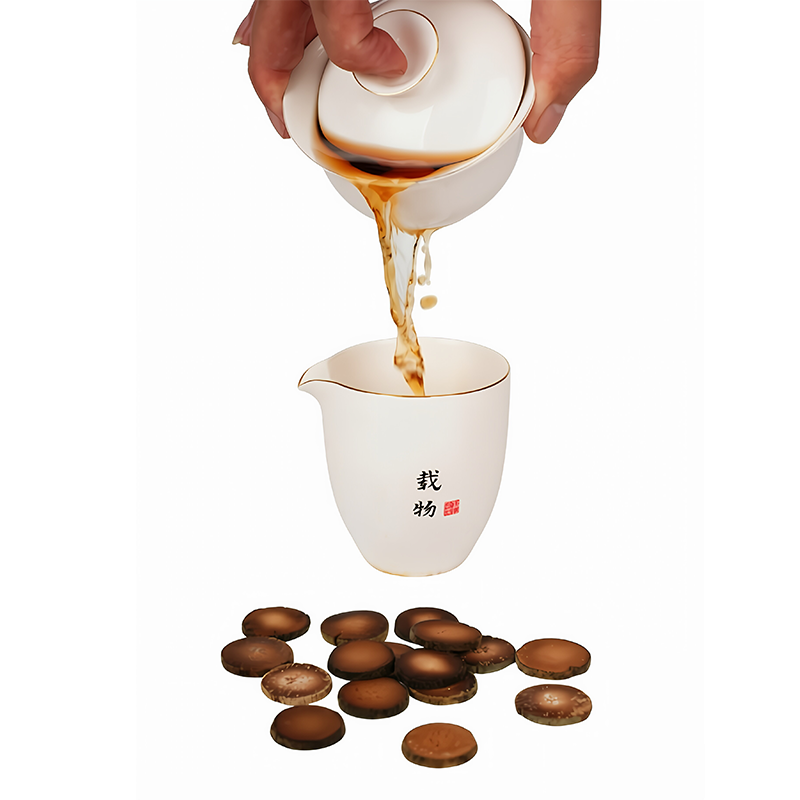
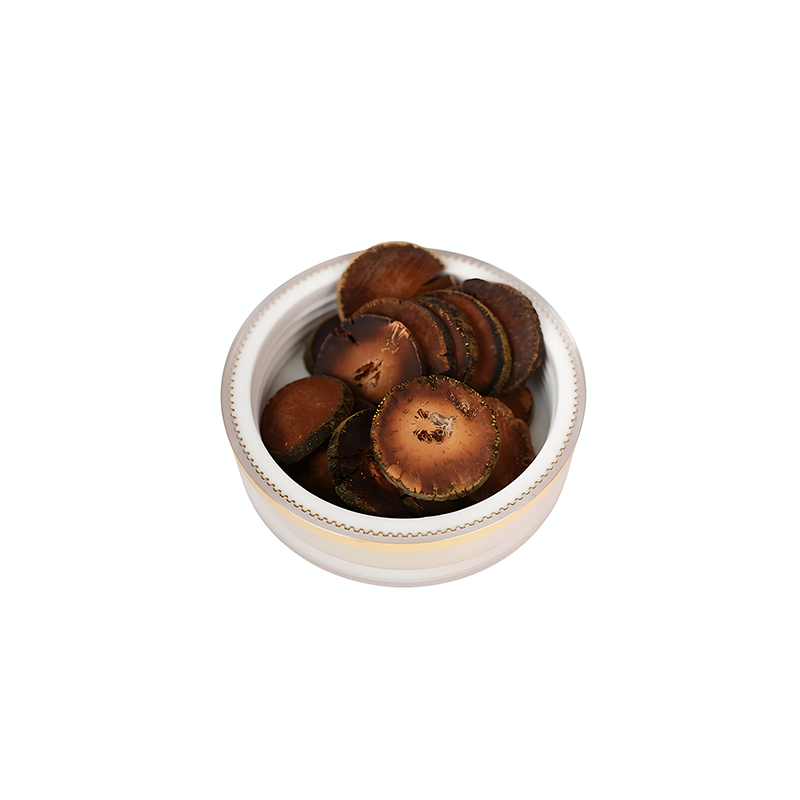
Origin is one of the first points to evaluate when comparing a Chinese Herbal Tea Wholesale Supplier. Ask what botanical materials are used and whether the supplier can provide clear information about their source. For products based on Huazhou Juhong and dried citrus peel, origin, maturity, processing method, and storage history can influence appearance, aroma, texture, and overall product characteristics.
A Chinese Herbal Tea Wholesale Supplier should avoid vague descriptions when buyers need commercial-grade sourcing information. It is useful to ask about raw material selection, harvest timing, drying methods, grading, and storage. A Chinese Herbal Tea Wholesale Supplier with a standardized sourcing process can usually explain these steps clearly instead of relying only on general marketing language.
Evaluate Processing with a Chinese Herbal Tea Wholesale Supplier
Processing is another major factor. A Chinese Herbal Tea Wholesale Supplier should have defined procedures for cleaning, cutting, drying, grading, inspection, and packing. For dried botanical ingredients, moisture management is particularly important because excessive moisture can affect storage stability, texture, aroma, and appearance.
When evaluating a Chinese Herbal Tea Wholesale Supplier, ask what checks are completed before shipment. Useful checks may include appearance, cleanliness, dryness or moisture condition, slice size, foreign-material control, packaging integrity, quantity, and agreed product specifications. A Chinese Herbal Tea Wholesale Supplier does not need to use complicated language to demonstrate quality control. Clear procedures and consistent records are often more useful to buyers.
Compare Product Forms from a Chinese Herbal Tea Wholesale Supplier
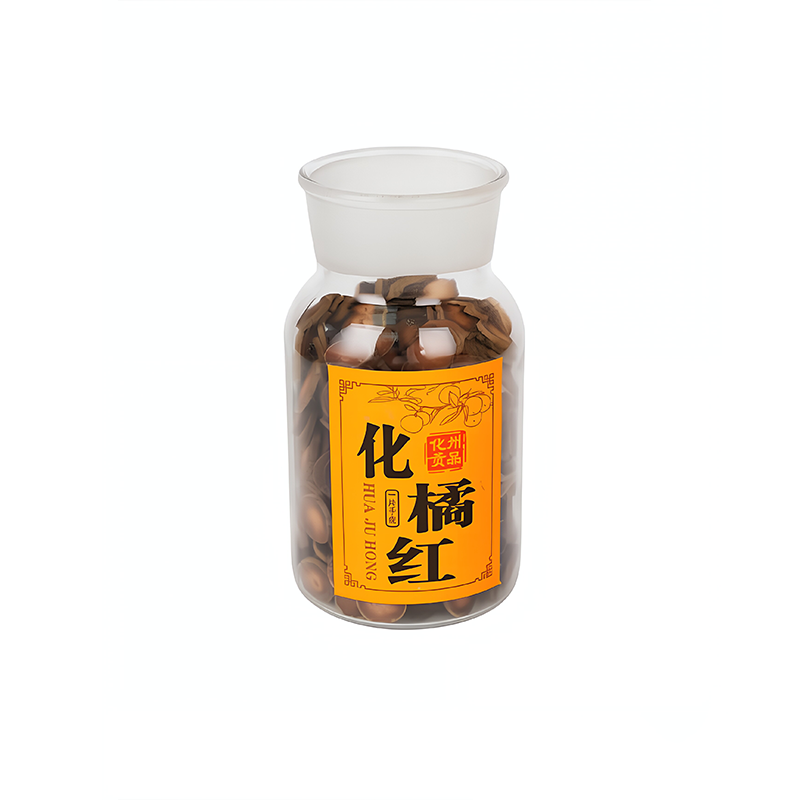
Different wholesale businesses require different product forms. A Chinese Herbal Tea Wholesale Supplier may offer whole dried fruits, slices, broken pieces, tea-cut materials, blended ingredients, sachets, or retail-ready products. Before choosing a supplier, decide which form matches your sales channel.
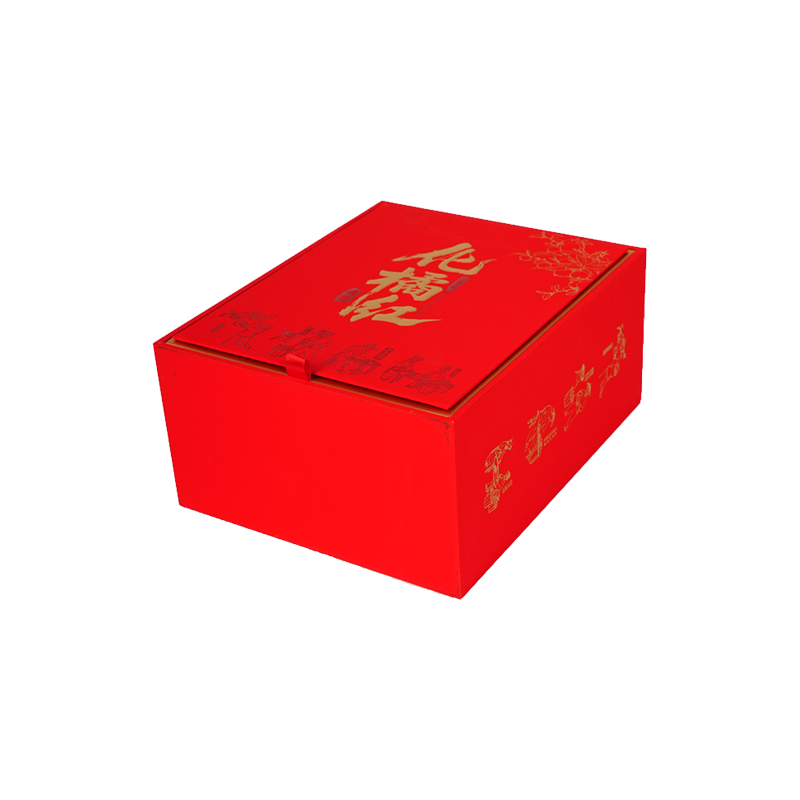
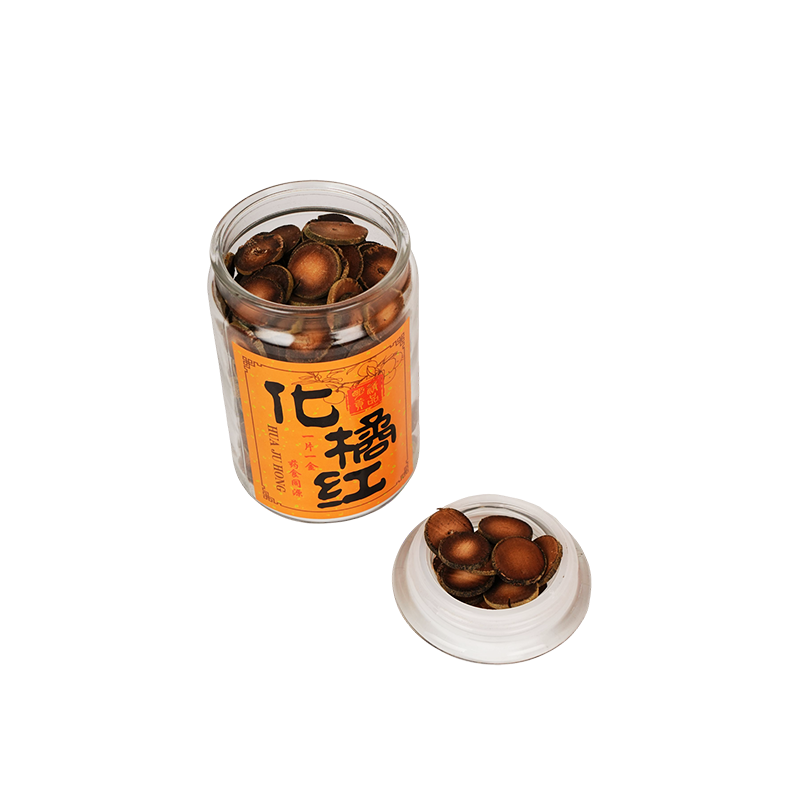
For example, a Chinese Herbal Tea Wholesale Supplier supplying tea shops may need to provide convenient sliced ingredients, while a gift business may need attractive jars or gift boxes. A supermarket distributor may prioritize standardized retail packaging, barcode space, carton strength, and stable replenishment. A Chinese Herbal Tea Wholesale Supplier that supports several product forms can make product planning easier.
Buyers should also confirm dimensions and packaging specifications in writing. A Chinese Herbal Tea Wholesale Supplier may describe a product as sliced, but buyers still need to confirm approximate slice size, weight tolerance, inner packaging, outer cartons, and labeling requirements.
Review Packaging from a Chinese Herbal Tea Wholesale Supplier
Packaging is often underestimated when selecting a Chinese Herbal Tea Wholesale Supplier. Dried herbal products can be affected by moisture, odors, contamination, light, and physical damage during storage and transportation. A suitable Chinese Herbal Tea Wholesale Supplier should recommend packaging based on the product, order size, destination, and expected storage conditions.
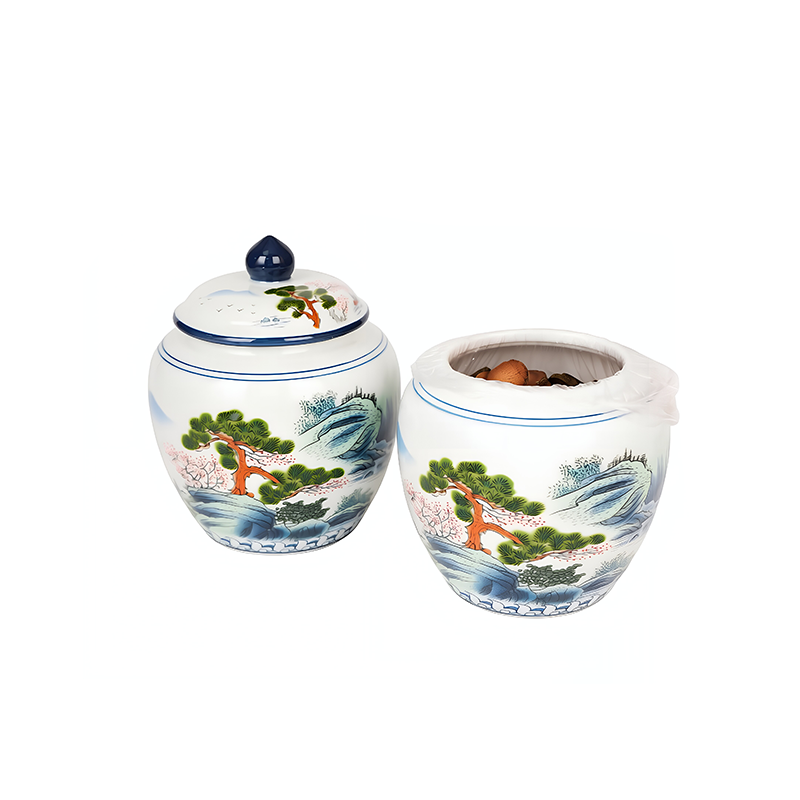
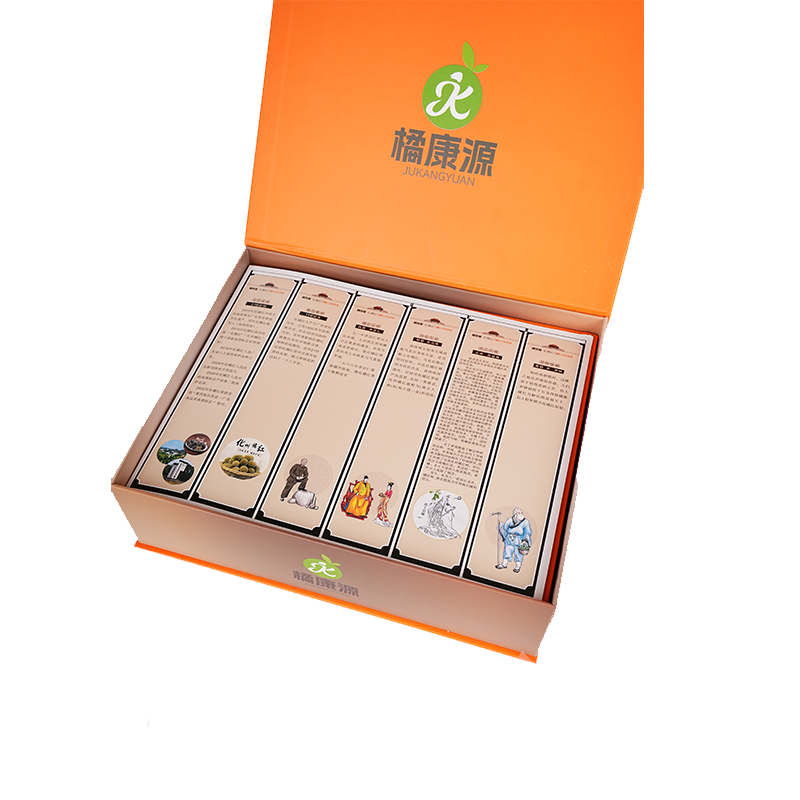
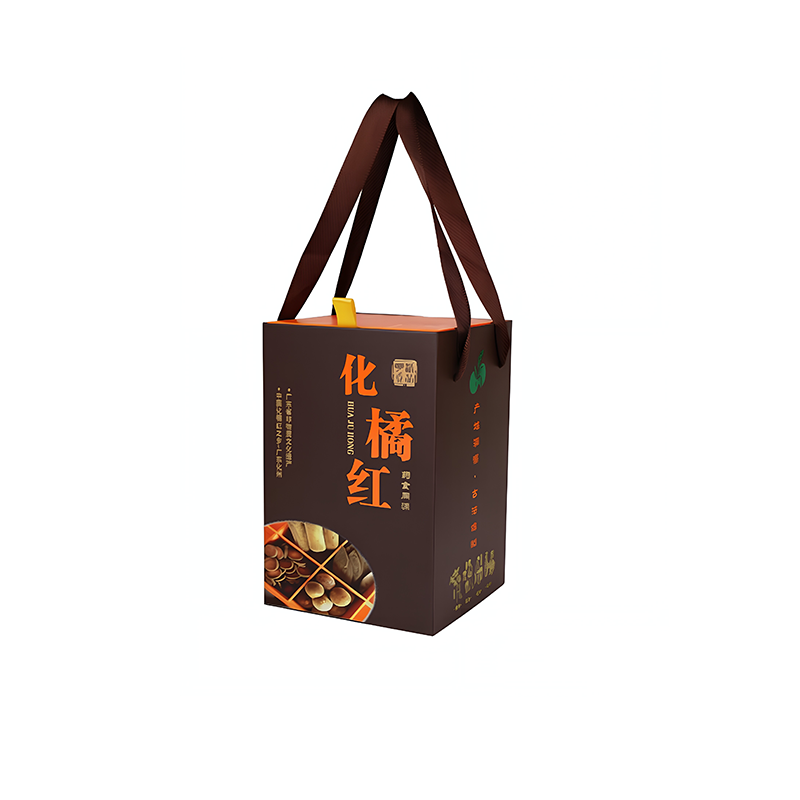
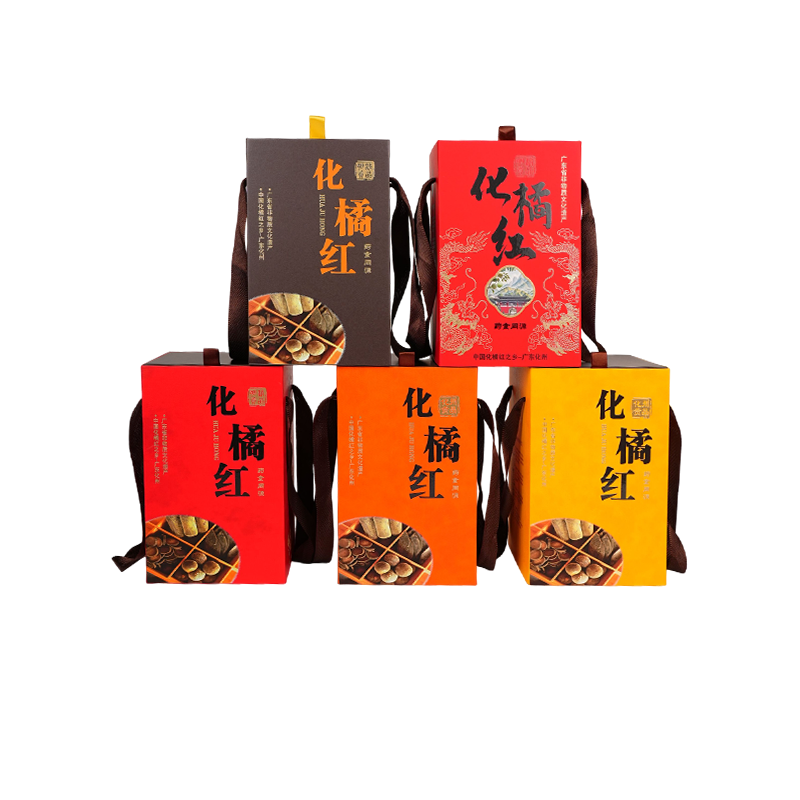
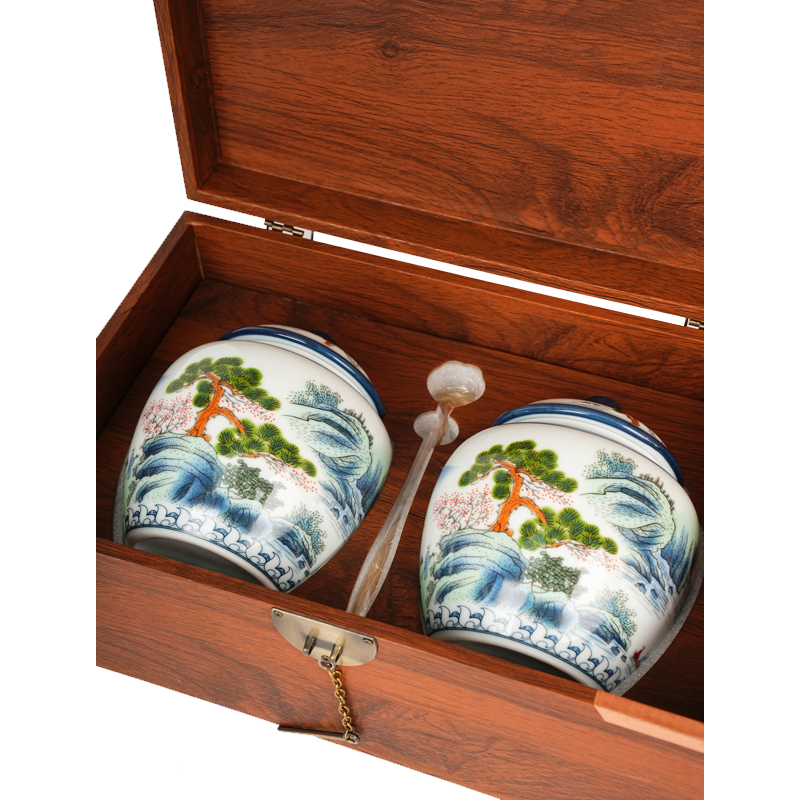
For bulk orders, common solutions may include moisture-resistant inner bags, cartons, woven bags, or customized outer packaging. For retail products, jars, pouches, sachets, and gift boxes may be considered. A Chinese Herbal Tea Wholesale Supplier should be willing to discuss packaging rather than treating it as an afterthought.
For Southeast Asian markets, buyers should pay particular attention to moisture protection and carton handling. A Chinese Herbal Tea Wholesale Supplier experienced with international shipments can help match packaging with sea freight, air freight, or express delivery.
Ask About MOQ from a Chinese Herbal Tea Wholesale Supplier
Minimum order quantity, or MOQ, directly affects purchasing risk. A Chinese Herbal Tea Wholesale Supplier may have different MOQs for bulk raw materials, standard retail products, customized packaging, and private label orders. Before comparing quotations, confirm whether the quoted price applies to the same quantity and packaging configuration.
A Chinese Herbal Tea Wholesale Supplier may offer a lower unit price at larger volumes, but buying more than your current sales capacity can create unnecessary inventory pressure. A practical Chinese Herbal Tea Wholesale Supplier should help clarify volume options rather than pushing buyers toward an unsuitable order size.
For new buyers, samples or a small trial order can be useful before committing to a larger shipment. A Chinese Herbal Tea Wholesale Supplier should be able to provide enough product information for buyers to assess appearance, aroma, packaging, and handling before making a larger purchasing decision.
Check Lead Time from a Chinese Herbal Tea Wholesale Supplier
Lead time affects inventory planning and customer service. A Chinese Herbal Tea Wholesale Supplier should provide a realistic production and packing schedule after order confirmation. For standard wholesale orders, lead time may commonly be around 7–20 working days depending on quantity, raw material availability, processing requirements, packaging, and customization.
The exact schedule should be confirmed for each order. A Chinese Herbal Tea Wholesale Supplier should distinguish between products already in stock and products requiring processing or customized packaging. This distinction helps importers plan shipping dates more accurately.
Production capacity also matters. A Chinese Herbal Tea Wholesale Supplier may handle small retail orders well but struggle with larger seasonal demand. Buyers should ask whether the supplier can maintain supply during peak periods and whether production schedules can be planned in advance.
Understand Payment Terms with a Chinese Herbal Tea Wholesale Supplier
Payment terms should be clear before production begins. A Chinese Herbal Tea Wholesale Supplier may commonly arrange payment by T/T, with a deposit before production and the balance before shipment. The exact percentage and timing should be confirmed in the quotation or sales agreement.
A reliable Chinese Herbal Tea Wholesale Supplier should provide clear information about what happens after the deposit is received, when production starts, when packaging is completed, and when the balance becomes due. Buyers should avoid unclear arrangements that make it difficult to track order progress.
For customized products, a Chinese Herbal Tea Wholesale Supplier may also need confirmation of artwork, packaging specifications, labels, and product details before production. Clear communication at this stage reduces avoidable delays.
Evaluate Export Support from a Chinese Herbal Tea Wholesale Supplier
International buyers should assess shipping experience, not just product price. A Chinese Herbal Tea Wholesale Supplier should be able to discuss sea freight, air freight, and express delivery according to order size and urgency. Sea freight may be suitable for larger wholesale orders, while air freight or express services can be more practical for samples or urgent smaller shipments.
A Chinese Herbal Tea Wholesale Supplier should also provide accurate carton information, packing quantity, gross weight, and dimensions when available. These details help buyers estimate freight costs and prepare import arrangements.
For Southeast Asian customers, a Chinese Herbal Tea Wholesale Supplier familiar with regional delivery routes can make coordination easier. Buyers should still confirm destination-country requirements independently because import rules, labeling requirements, documentation, and permitted ingredients can vary by market.
Look for Customization from a Chinese Herbal Tea Wholesale Supplier
Customization can be important for retailers and distributors building their own product lines. A Chinese Herbal Tea Wholesale Supplier may support customized labels, pouches, jars, gift boxes, sachets, carton designs, or other packaging formats. Before starting a private label project, confirm the minimum order, artwork requirements, sample process, production time, and packaging material.
A Chinese Herbal Tea Wholesale Supplier with flexible customization can help buyers create different product levels, such as everyday herbal tea packs, premium gift boxes, and commercial bulk packs. Customization should not only focus on appearance. The package should also protect the product and suit the intended storage and transportation conditions.
Consider Product Consistency from a Chinese Herbal Tea Wholesale Supplier
One of the most important differences between a temporary seller and a long-term Chinese Herbal Tea Wholesale Supplier is consistency. Buyers need products that remain reasonably stable in appearance, dryness, aroma, slice form, packaging, and weight across repeated orders.
A Chinese Herbal Tea Wholesale Supplier should use clear product specifications so both sides know what is being ordered. Photos alone are not always enough because natural botanical materials can have normal variations. A better Chinese Herbal Tea Wholesale Supplier will communicate acceptable variation and agreed standards before production.
For aged citrus products, natural differences in color and aroma may occur. Buyers should discuss what characteristics are expected rather than assuming every batch will look identical. A Chinese Herbal Tea Wholesale Supplier should explain these natural variations in practical terms.
Check Storage with a Chinese Herbal Tea Wholesale Supplier
A Chinese Herbal Tea Wholesale Supplier should provide practical storage recommendations for dried herbal tea products. In general, dried botanical materials should be protected from excessive moisture, direct sunlight, strong odors, contamination, and unsuitable temperature conditions.
Buyers should ask how products are stored before shipment and whether the packaging is designed to reduce moisture exposure. A Chinese Herbal Tea Wholesale Supplier should also explain whether opened bulk packaging needs to be resealed after use.
For retailers, storage conditions can affect product presentation. A Chinese Herbal Tea Wholesale Supplier can help recommend packaging sizes that reduce repeated exposure after opening. This is especially useful for businesses operating in warm or humid environments.
Assess Communication with a Chinese Herbal Tea Wholesale Supplier
Good communication is a practical quality indicator. A Chinese Herbal Tea Wholesale Supplier should respond clearly to questions about product specifications, packaging, lead time, payment, shipping, and customization. Buyers should pay attention to whether answers are specific or simply promotional.
A Chinese Herbal Tea Wholesale Supplier should be able to provide a quotation with enough detail for comparison. Important information may include product name, specification, quantity, packaging, unit price, MOQ, production lead time, payment terms, shipping method, and customization costs when applicable.
Long-term cooperation also requires after-sales communication. If a shipment has a packaging issue or specification difference, a Chinese Herbal Tea Wholesale Supplier should have a process for reviewing the situation and communicating with the buyer.
Choose Total Value from a Chinese Herbal Tea Wholesale Supplier
Price is important, but the lowest quotation is not automatically the best option. A Chinese Herbal Tea Wholesale Supplier offering a very low price may use different raw materials, packaging, specifications, or service levels. Comparing only unit price can create misleading results.
A better approach is to compare total value. A Chinese Herbal Tea Wholesale Supplier should be evaluated on product consistency, raw material sourcing, processing, quality inspection, packaging, lead time, communication, shipping support, customization, and after-sales service.
For a business that sells repeatedly, a slightly higher but stable supply cost can be more practical than a low price with unpredictable quality. A Chinese Herbal Tea Wholesale Supplier should support your business model rather than only one transaction.
Questions to Ask a Chinese Herbal Tea Wholesale Supplier
Before choosing a Chinese Herbal Tea Wholesale Supplier, prepare a short list of practical questions. Ask where the raw materials originate, how they are processed, what product specifications are available, what the MOQ is, and how long production normally takes.
Ask the Chinese Herbal Tea Wholesale Supplier whether samples are available and whether the final bulk order will follow the approved sample or written specification. Also ask about packaging materials, carton sizes, shipping options, payment terms, and customization.
If the product is intended for a Southeast Asian market, ask the Chinese Herbal Tea Wholesale Supplier what export documents can be provided and what information will appear on the product packaging. Buyers should independently verify destination-market import and labeling requirements before shipment.
Chinese Herbal Tea Wholesale Supplier Buying Checklist
When choosing a Chinese Herbal Tea Wholesale Supplier, review raw material origin, processing method, product form, quality inspection, packaging, MOQ, lead time, payment terms, shipping support, customization, storage guidance, communication, and long-term supply capacity. A Chinese Herbal Tea Wholesale Supplier that combines clear information, practical quality control, suitable packaging, flexible customization, and reliable communication can provide stronger long-term value.
评论
(0)